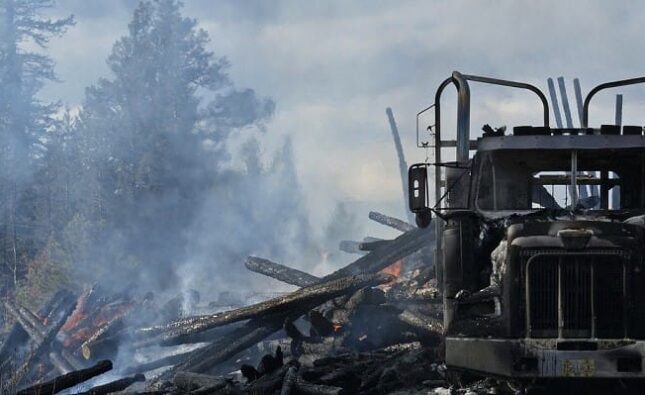
When a commercial truck collides with a passenger vehicle, the aftermath is rarely simple. Unlike typical car accidents, truck crashes involve heavier machinery, more severe injuries, and — critically — a far more complex web of insurance coverage. Navigating this landscape alone can feel overwhelming for an injured victim. This is where a truck accident lawyer steps in, not just as a legal advisor, but as a strategic shield against powerful insurance interests.
The Insurance Landscape in Truck Accident Cases
Commercial trucking operates under layers of insurance that don’t exist in ordinary vehicle crashes. A single accident can trigger policies held by the truck driver, the trucking company, the cargo loader, the truck manufacturer, or even a third-party maintenance firm. Each of these policies may be worth millions of dollars — and each insurer will fight hard to minimize what they pay out.
Federal regulations require most interstate commercial carriers to maintain a minimum of $750,000 in liability coverage, though many policies extend to $1 million or more. With such large sums on the table, insurance companies deploy experienced adjusters and legal teams almost immediately after a crash is reported. Their goal is straightforward: settle fast, pay little, and close the file.
A truck accident lawyer understands this game — and knows how to counter it.
Acting Quickly to Preserve Evidence
One of the first moves a truck accident attorney makes is sending a spoliation letter — a formal legal notice demanding that all relevant evidence be preserved. This includes the truck’s black box (formally called an Electronic Control Module or ECM), driver logs, GPS data, maintenance records, and onboard camera footage.
Insurance companies and trucking firms know that certain data can disappear quickly. ECM data may be overwritten within days. Dashcam footage gets deleted on a rolling cycle. Paper logs can be misplaced. By acting immediately, a lawyer ensures that this evidence is locked down before it conveniently vanishes.
This evidence is not just useful — it can be decisive. Black box data can reveal how fast the truck was traveling before impact, whether the driver applied brakes, and how many hours the driver had been on the road without rest.
Investigating the True Value of the Claim
Insurance adjusters are trained to present early settlement offers that sound reasonable to an injured victim in financial distress. Medical bills are piling up, the vehicle is totaled, and a check feels like relief. However, early offers almost always fail to account for long-term damages.
A truck accident lawyer works with medical professionals, vocational experts, and economists to build a full picture of what the injury actually costs — now and in the future. This includes future surgeries or rehabilitation, lost earning capacity if the victim can no longer work in their previous profession, emotional distress and reduced quality of life, and ongoing care costs for permanent disabilities.
Understanding the real value of a claim is non-negotiable before any negotiation begins. Without this foundation, a victim risks accepting pennies on the dollar and signing away their right to pursue further compensation.
Negotiating From a Position of Strength
Insurance companies respect one thing above all else: preparation. When a lawyer walks into negotiations armed with thorough documentation, expert reports, preserved electronic data, and a clear liability theory, the insurer’s leverage shrinks considerably.
Experienced truck accident attorneys know the tactics insurers use — disputing liability, claiming the victim was partially at fault, questioning the severity of injuries, or delaying proceedings hoping the victim grows desperate. Lawyers anticipate these tactics and prepare counter-arguments in advance.
Rather than reacting to the insurer’s framing, a skilled attorney controls the narrative. They present the case as it will appear before a jury, reminding the insurance company that a courtroom outcome could cost them significantly more than a fair settlement.
Identifying All Liable Parties
One of the most valuable things a truck accident lawyer does is look beyond the obvious. Many victims assume the truck driver alone is responsible. In reality, liability in trucking accidents often stretches across multiple parties.
The trucking company may be liable if it pressured drivers to exceed legal hours-of-service limits or failed to conduct proper background checks. A maintenance contractor may share fault if defective brakes or worn tires contributed to the crash. A cargo loading company may be responsible if improperly secured freight shifted and caused the truck to lose control. The truck or parts manufacturer may face liability if a mechanical defect played a role.
Identifying every responsible party means more potential sources of compensation — and gives the attorney greater leverage in settlement talks.
Handling Bad Faith Insurance Practices
Not all insurers negotiate in good faith. Some deliberately delay claim processing, deny valid claims without proper investigation, or misrepresent policy terms to avoid paying. These tactics — known legally as bad faith insurance practices — are not just unethical; they are illegal.
A truck accident lawyer monitors insurer behavior closely throughout the claims process. When bad faith is detected, the attorney can pursue additional legal remedies, including filing a bad faith lawsuit that may entitle the victim to damages beyond the original policy limits.
Taking the Case to Court When Necessary
Settlement is often the goal, but it is never the only option. A lawyer who is genuinely prepared to litigate holds far more power at the negotiating table than one who never intends to go to trial. Insurance companies track attorneys and know which ones will push a case to a jury if needed.
When insurers refuse to offer fair compensation, a truck accident lawyer files suit, conducts depositions, challenges expert witnesses, and presents the full case before a judge and jury. This willingness to fight — not just negotiate — is what ultimately forces insurers to treat victims fairly.
Conclusion
Truck accident claims are not standard personal injury cases. They involve corporate defendants, multi-million-dollar policies, federal regulations, and insurance companies with vast resources. Going up against them alone is a significant disadvantage.
A truck accident lawyer levels that playing field. From preserving critical evidence on day one to standing before a jury if required, they ensure that an injured victim’s rights are protected at every stage — and that insurance companies are held to their obligations, not their preferences.